
When people hear the word gamification, they may think nothing more than playing games in class with students. Gamification is more than that, though. The key is engagement, not fun. Gamification is a foundation that can help create a more engaging experience for students, and it’s not just about games.
Game-based Learning vs. Gamification
There are two types of “game” methods for classroom learning: game-based learning and gamification. Both can be interchangeably used in your classroom.
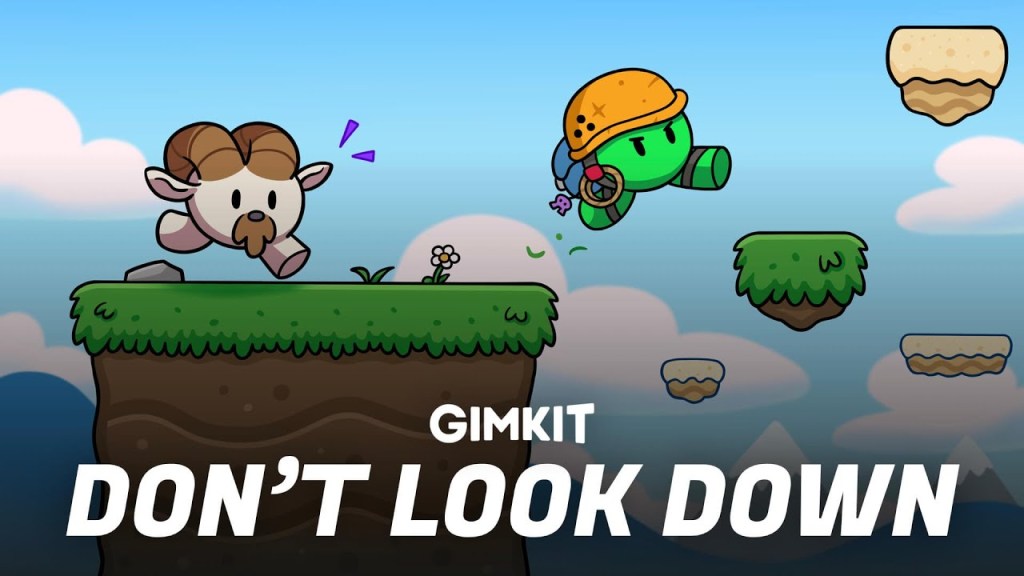
Game-based learning is pretty self-explanatory. Game-based activities take your content and overlay some type of game or competition on top of it. Some examples of this would be a class Jeopardy game, using a Jenga game to review multiple-choice questions, or online quiz games like Gimkit, Quizizz, or Kahoot.
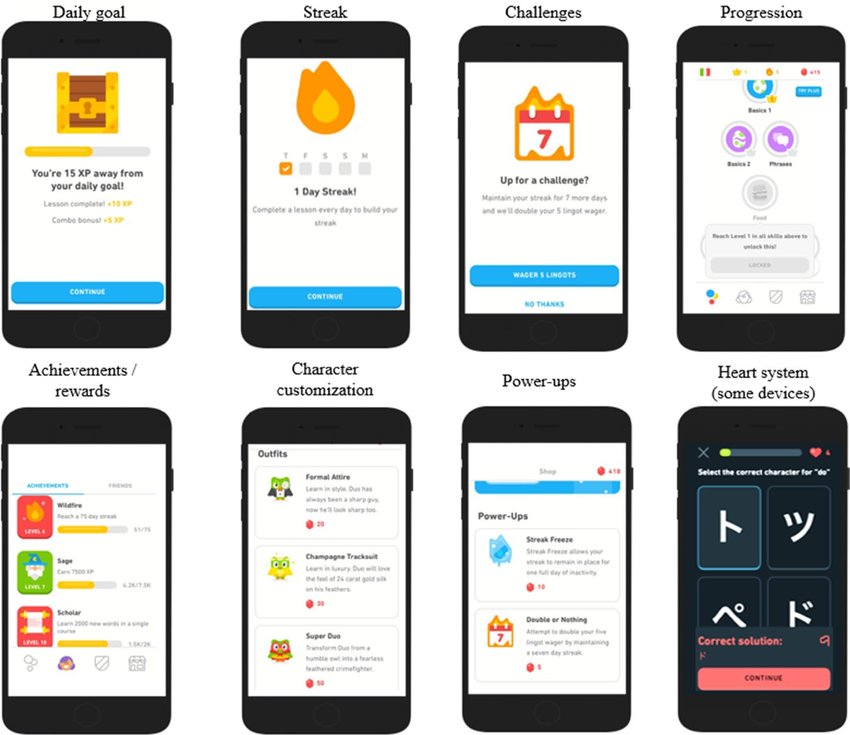
Gamification, on the other hand, involves using principles that make games engaging. In using gamification principles, you’re building your classroom culture into an engaging one by utilizing foundational principles of gaming. This would include examples like giving a bonus for completing consecutive weeks of a routine assignment, using badges or stars to recognize achievements in class, or giving a random hint or tip during an assignment or test.
These two methods are not independent of each other, but it is good to know the difference so that you have a purpose behind the activities you use to engage your students. By adding a gamified foundation, it doesn’t feel so much like a dog-and-pony show when you do include some game-based activities in your class.
Principles of Gamification
What are the principles of gamification, though? There are different theories of game design, but I use the Octalysis framework developed by Yukai Chou. In his framework, he developed 8 Core Drives1 that make games engaging. I’ll do a deeper dive on each Core Drive in later posts, but for now, here’s a quick overview of each one.
- Epic Meaning & Calling: players believe they are doing something greater than themselves and are connected to a higher purpose
- Development & Accomplishment: players feel like they are making progress, developing skills, and overcoming challenges
- Empowerment of Creativity & Feedback: players engage in the creative process and problem-solving by trying out different combinations to overcome obstacles
- Ownership & Possession: players are motivated by a sense of ownership
- Social Influence & Relatedness: players engage in social elements of gaming, such as mentorship, acceptance, social responses, companionship, and competition
- Scarcity & Impatience: players desire something they don’t have or have to wait for something
- Unpredictability & Curiosity: players want to find out what happens next
- Loss & Avoidance: players act in order to prevent something negative from happening
Class Implementation
Implementing gamification principles in your classroom may sound overwhelming, but it doesn’t have to be. In fact, there are likely some gamification principles you already have embedded in your classroom.
If students can earn small rewards or privileges for consistent behaviors, then you’re using gamification. If you provide assignment choices for students, then you’re using gamification. If you provide real-time feedback to students while they work, then you’ve got yourself some gamification. Once you understand this, you’re able to purposefully use these to help boost engagement in your class.
As you begin, start small. Focus on smaller, easier principles to implement first. If you find some principles that you already have in place, work with those first. Then, you can gradually build more and more into your class as you find things that fit with your class culture.
Finally, don’t be afraid to try and fail. Not everything you try to implement is going to work. Some things may work one year and not the next, and that’s okay. We want student to try new ideas and learn from their failures, so we should model that as well. Remember, you’re building a toolbox that you can pick from as you move forward. As you add more tools to that toolbox, you’ll find that gamifying your classroom becomes much easier.
If you really want to dig into gamification principles, check out Yukai Chou’s book Actionable Gamification.
- Chou, Yu-Kai. Actionable Gamification – Beyond Points, Badges, and Leaderboards. Yu-Kai Chou, 2017. ↩︎
 The Educator's Quest
One thought on “What is Gamification?”